About
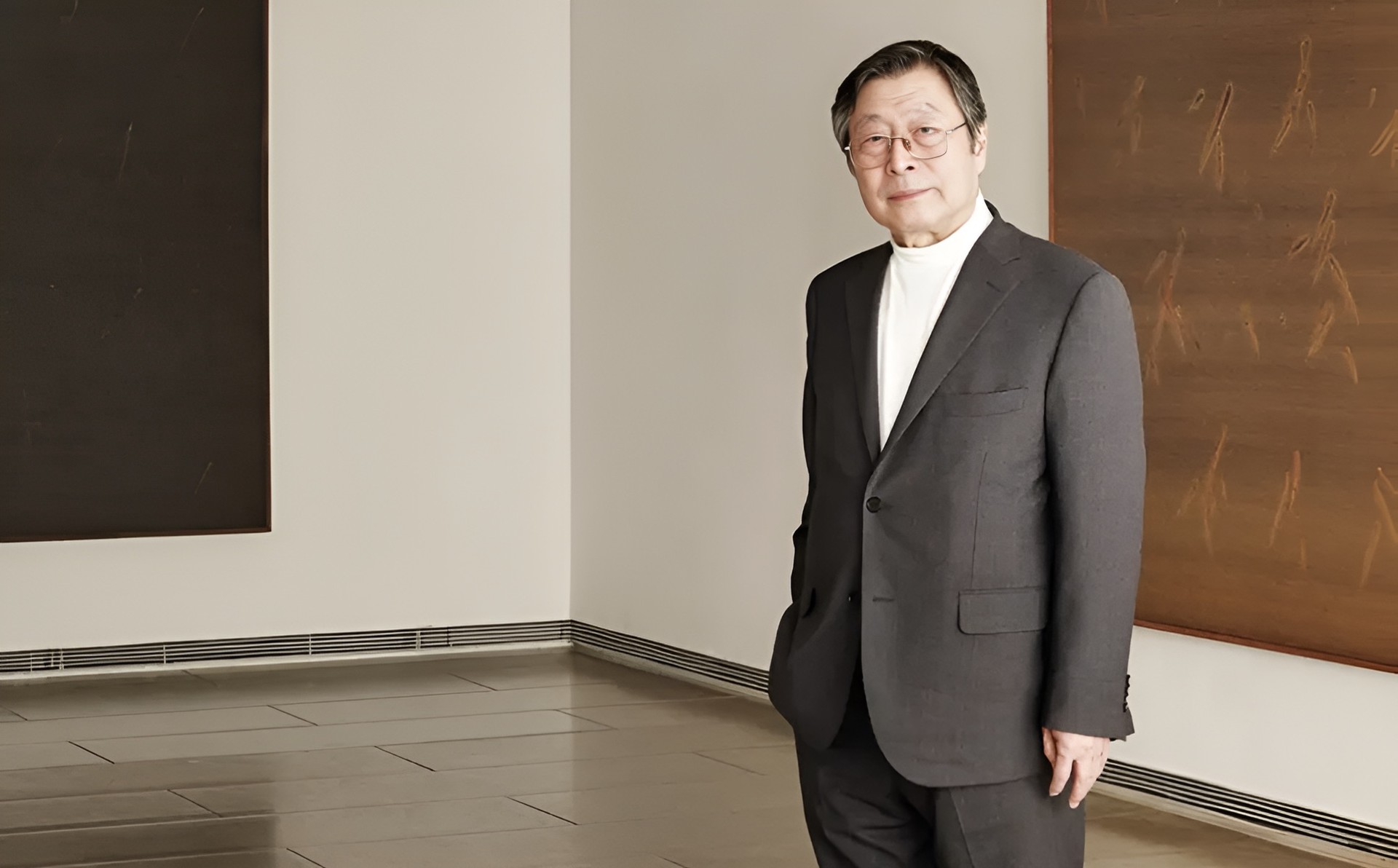
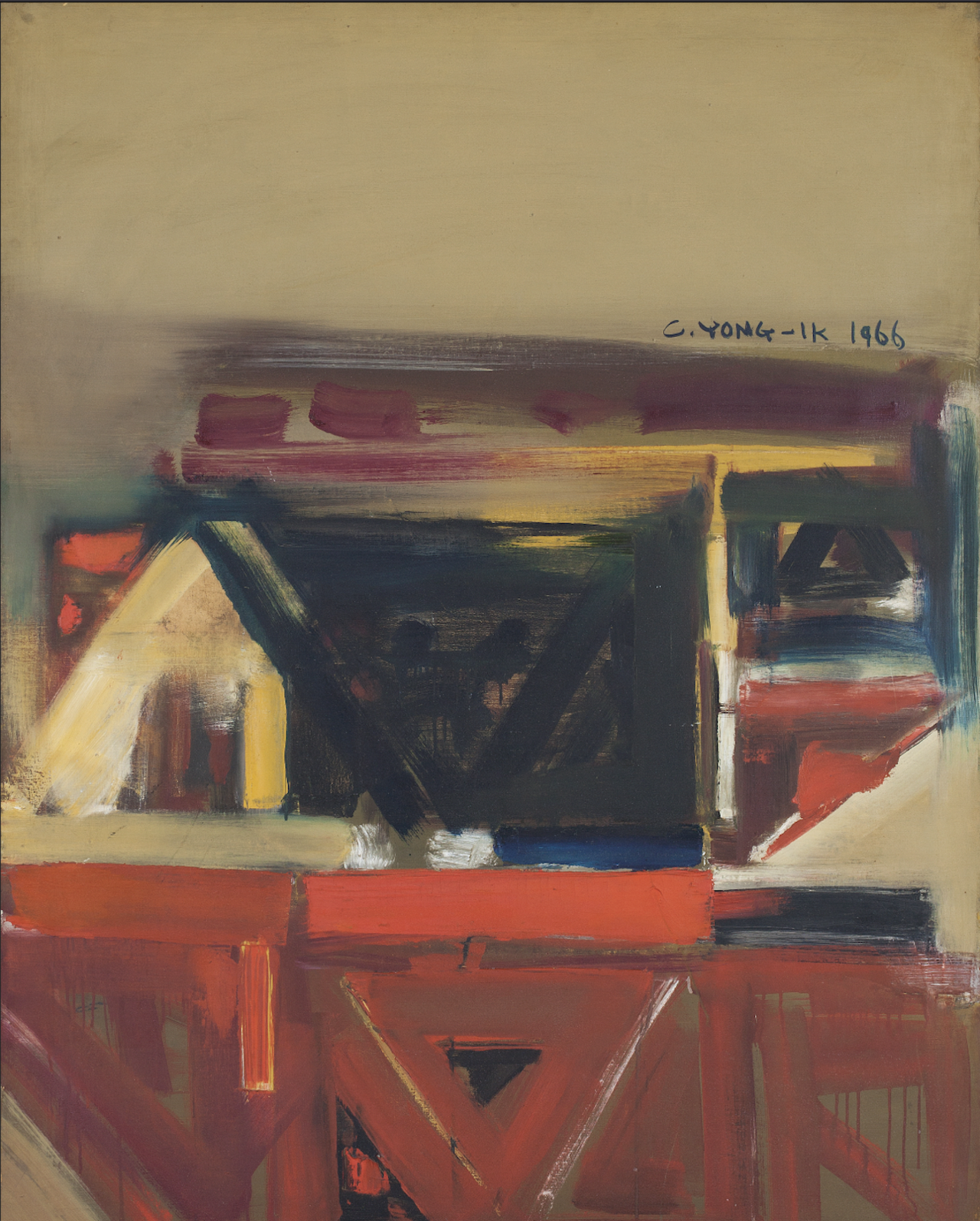
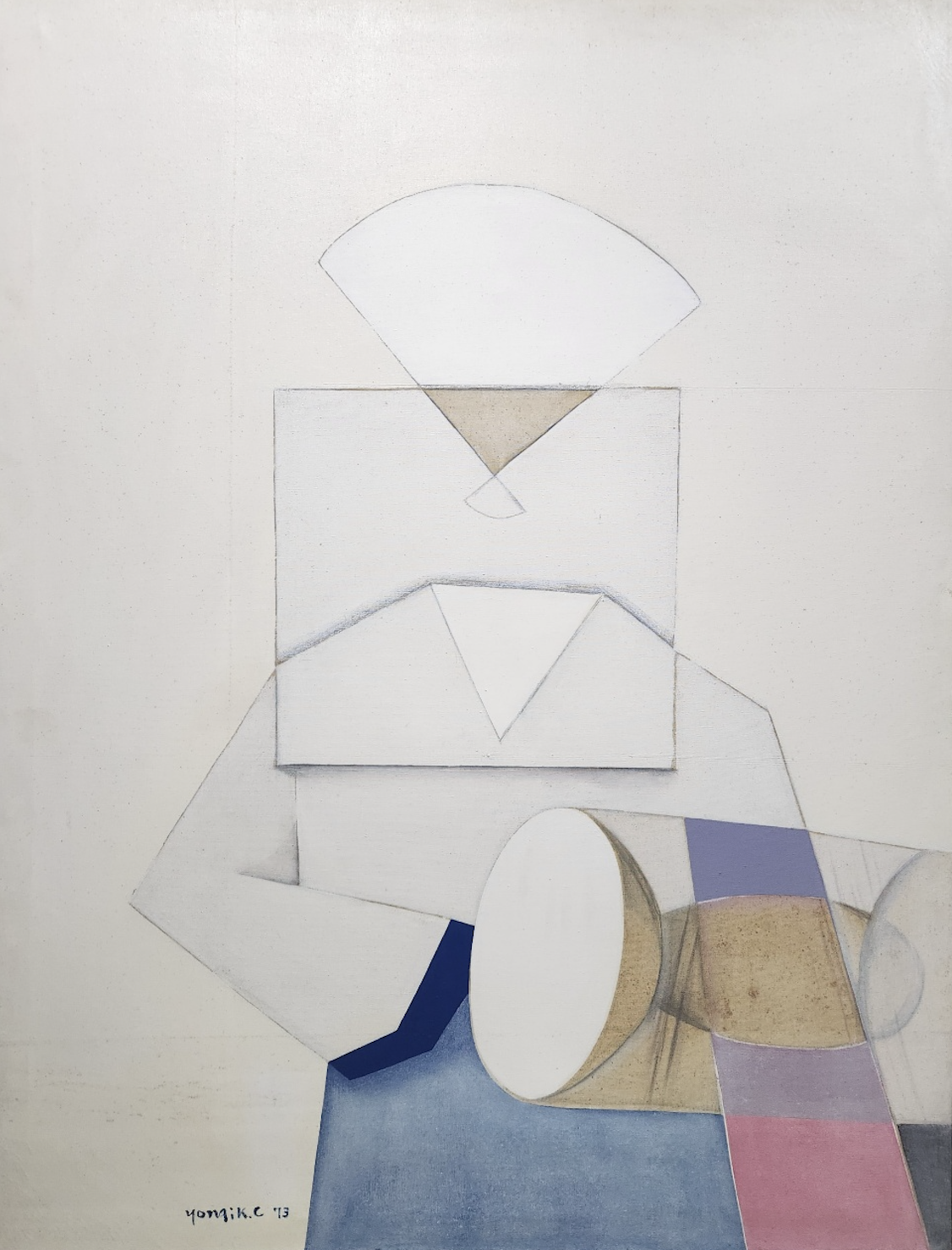
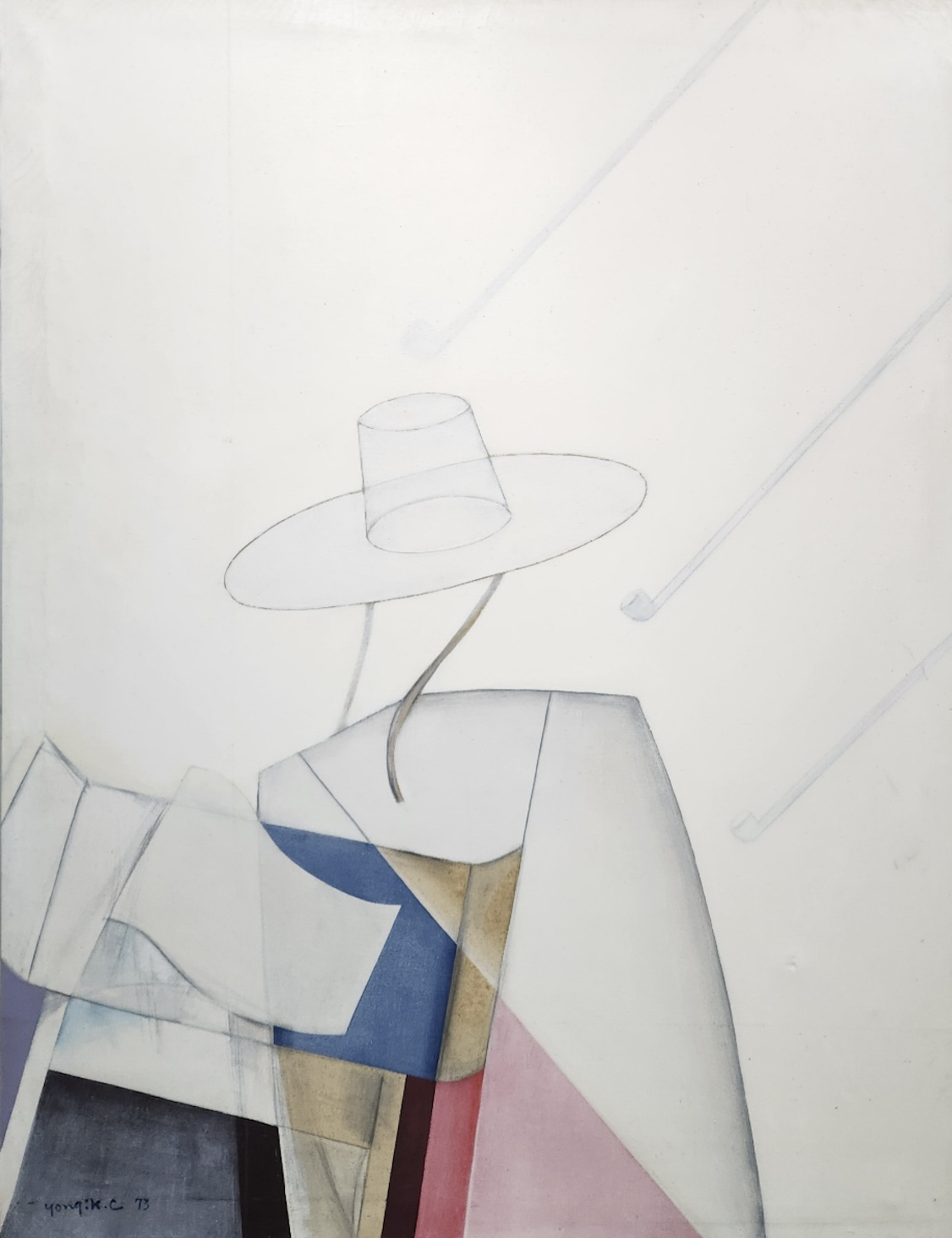
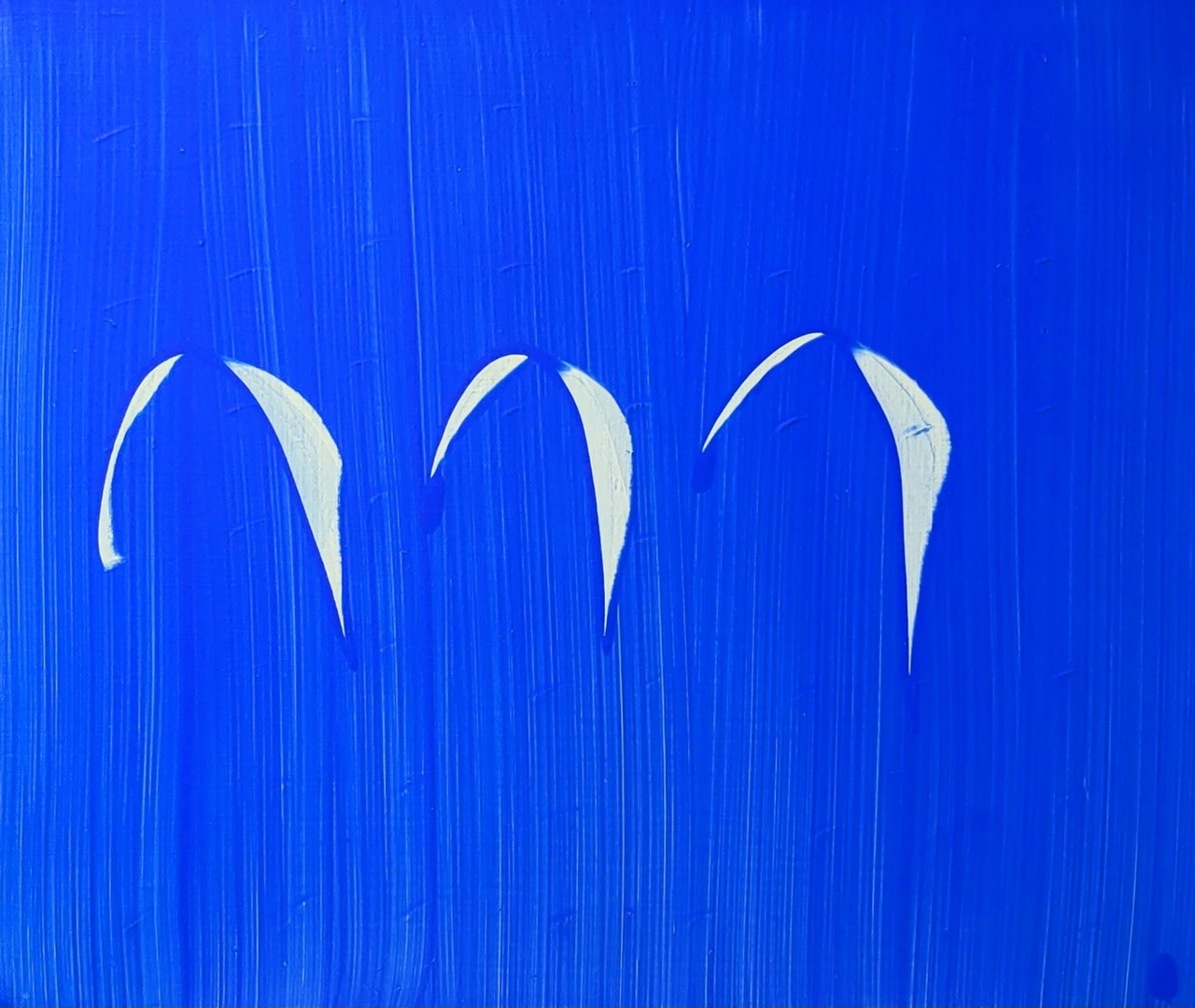
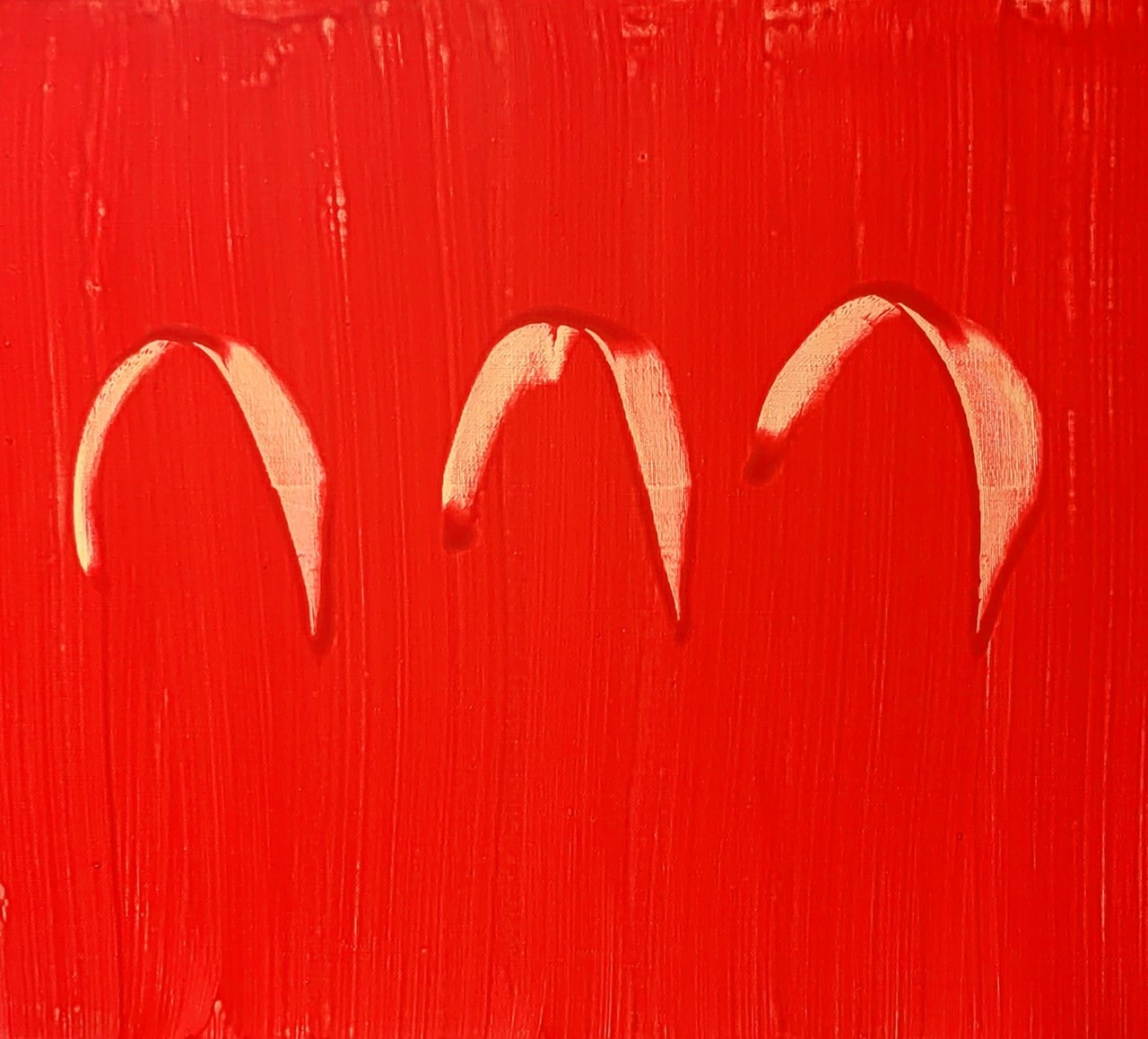
Cho Yong Ik (1934–2023) was a major figure in the development of Korean abstract painting and is widely recognized as one of the important artists associated with the emergence of Dansaekhwa. Working from the 1960s onward, Cho developed a restrained visual language grounded in repetition, surface, and disciplined gesture. His work reflects the broader search among postwar Korean artists for a form of abstraction that was distinct from Western modernism yet fully engaged with the international language of contemporary painting.
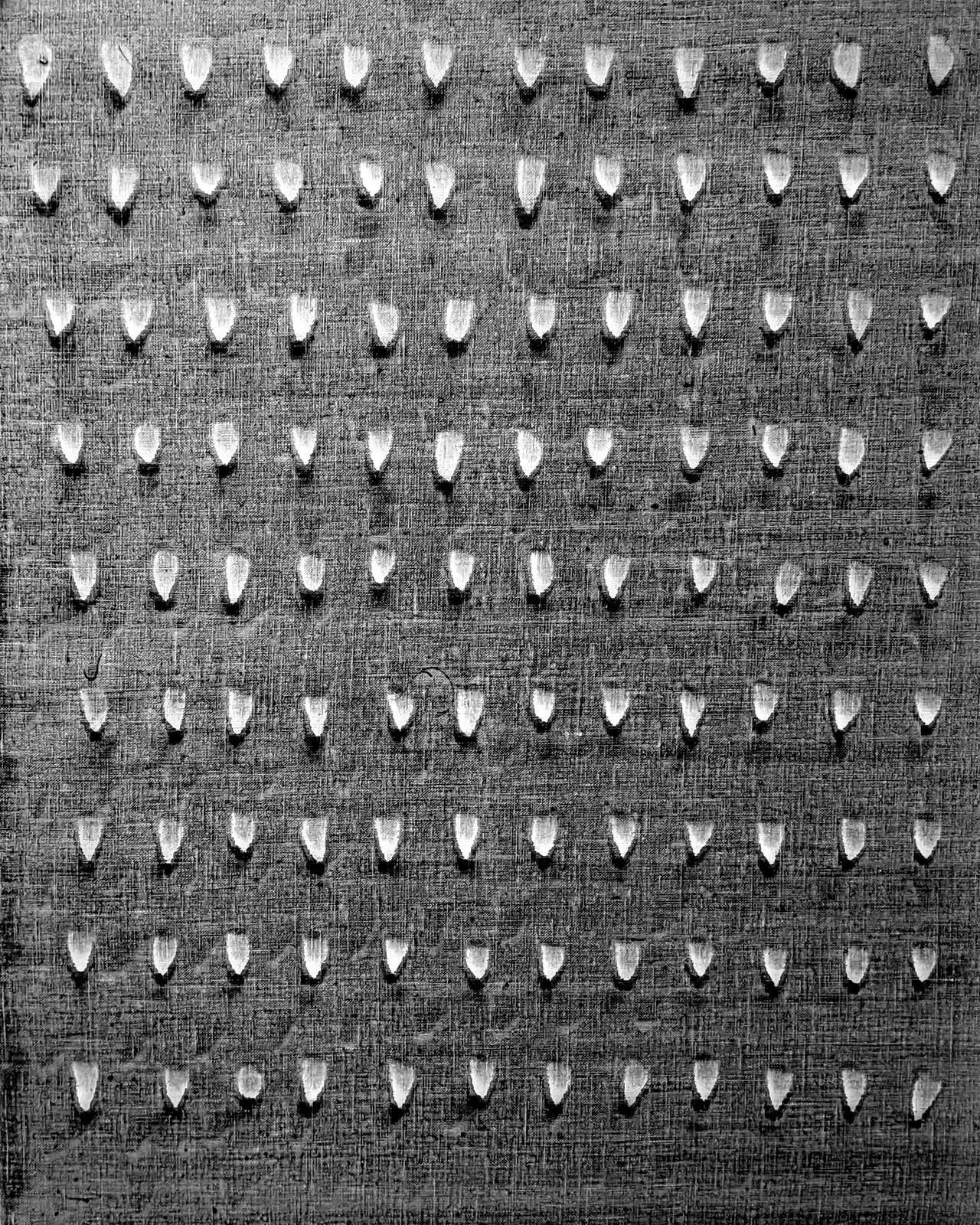
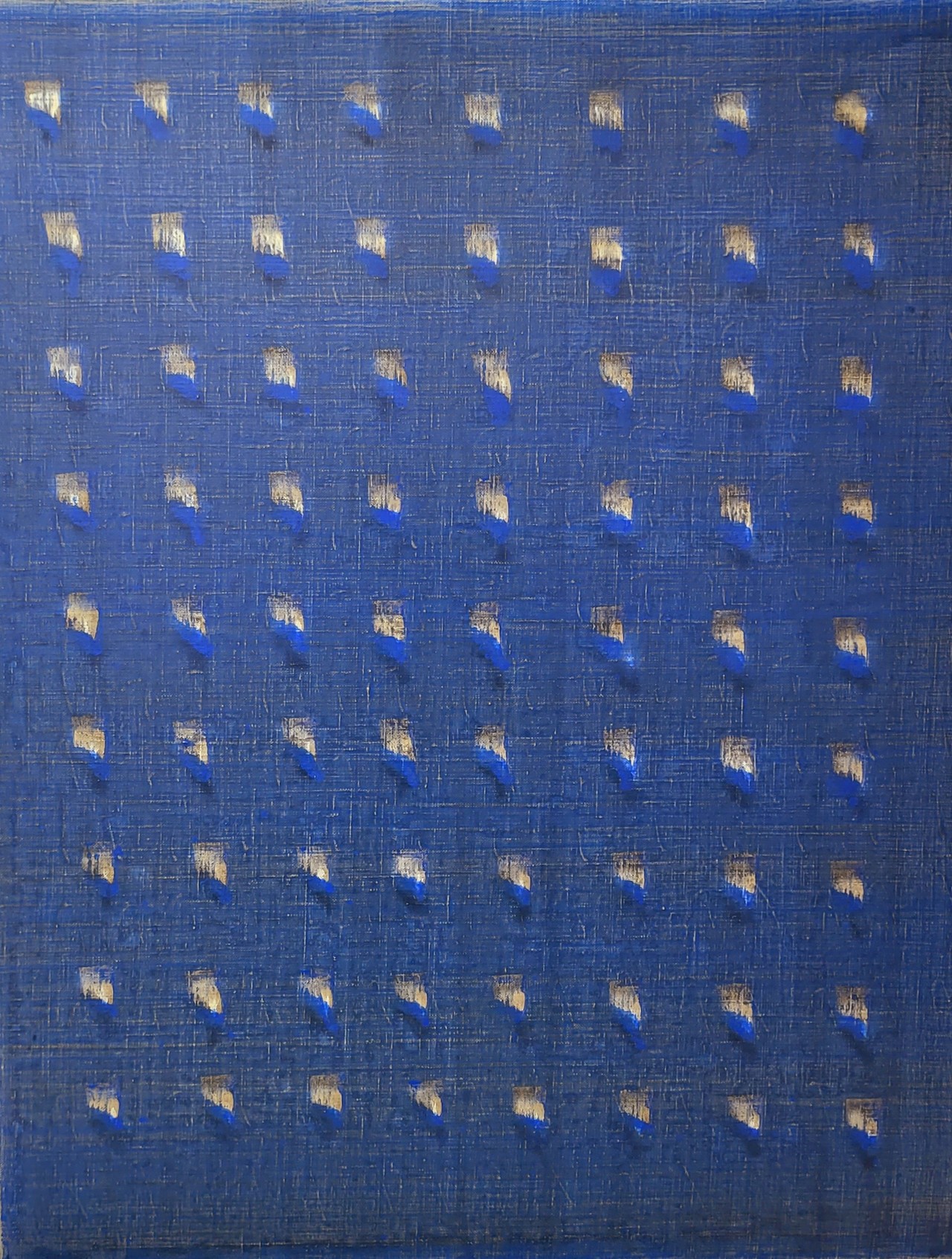
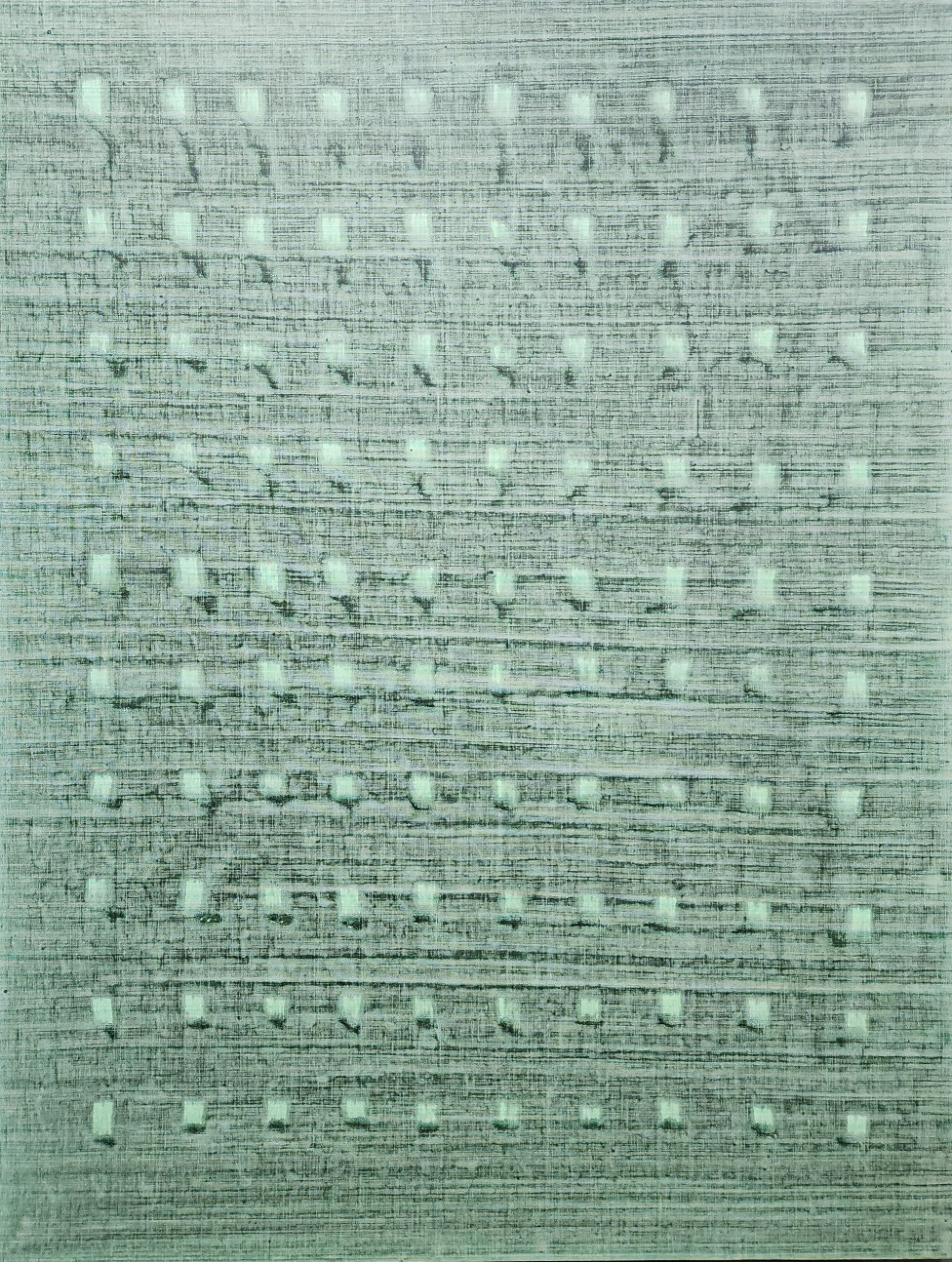
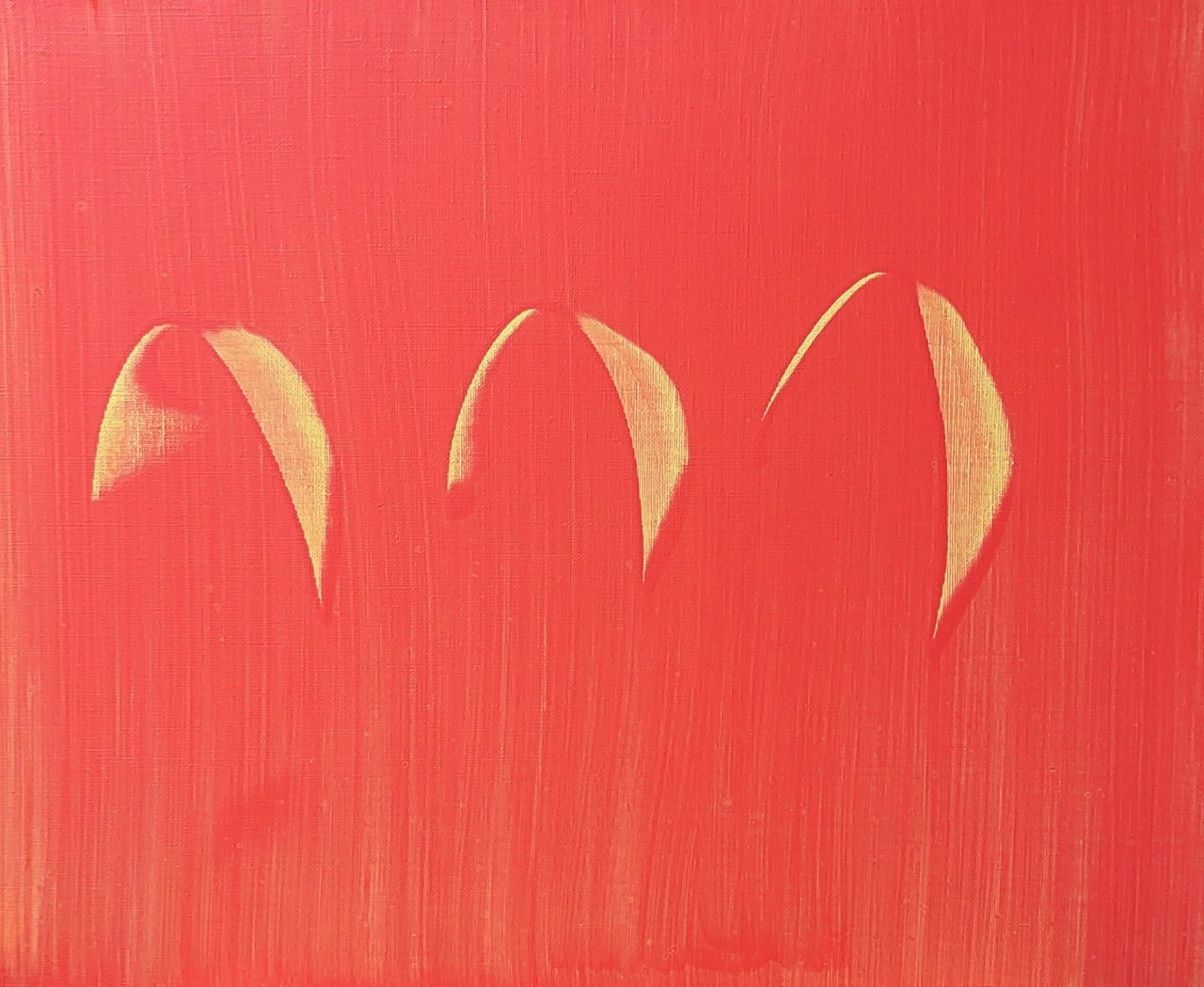
Cho is best known for his Wave and Bamboo series, in which repeated marks, rhythmic movements, and subtle variations in texture create paintings that appear minimal at first glance but reveal remarkable physical depth upon closer viewing. Rather than emphasizing image or narrative, he focused on the act of painting itself—the pressure of the hand, the accumulation of gesture, and the relationship between pigment, canvas, and time. This meditative process places his work within the philosophical and material concerns that came to define Dansaekhwa.
Cho Yong Ik remains important because his work represents a crucial chapter in the formation of modern Korean art. As international scholarship and museum attention have expanded the understanding of Dansaekhwa beyond a small group of familiar names, Cho’s contribution has been increasingly recognized for its originality and rigor. His paintings bridge Korean cultural sensibility and global abstraction, offering a quiet but powerful vision of repetition, endurance, and material presence.
Highlights
[CV 하이라이트 한 줄씩 — 예: 2025 Solo Exhibition, Gallery Chang Seoul]
[주요 소장처 · 수상 · 전시]
[한 줄에 하나씩 추가]