About
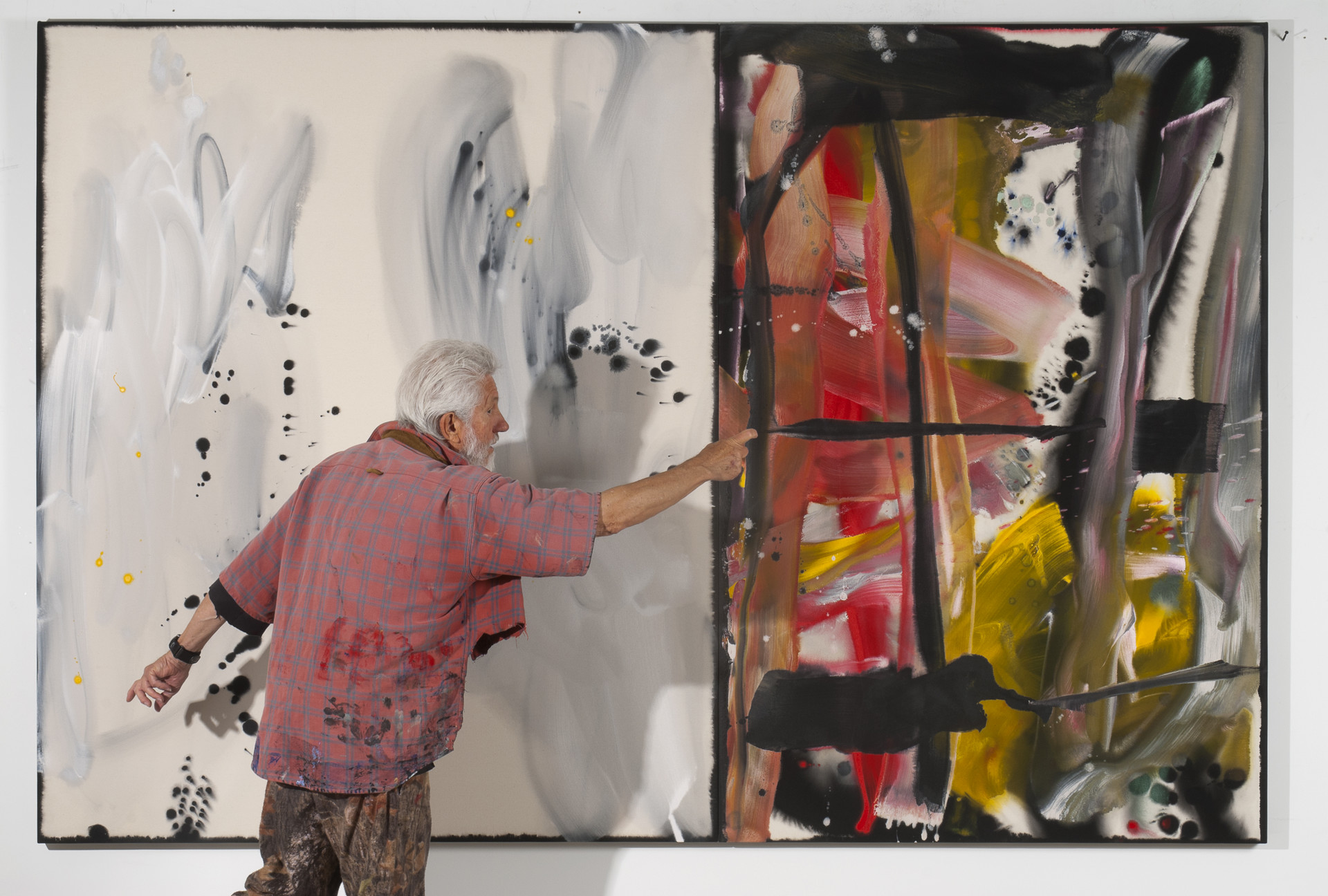
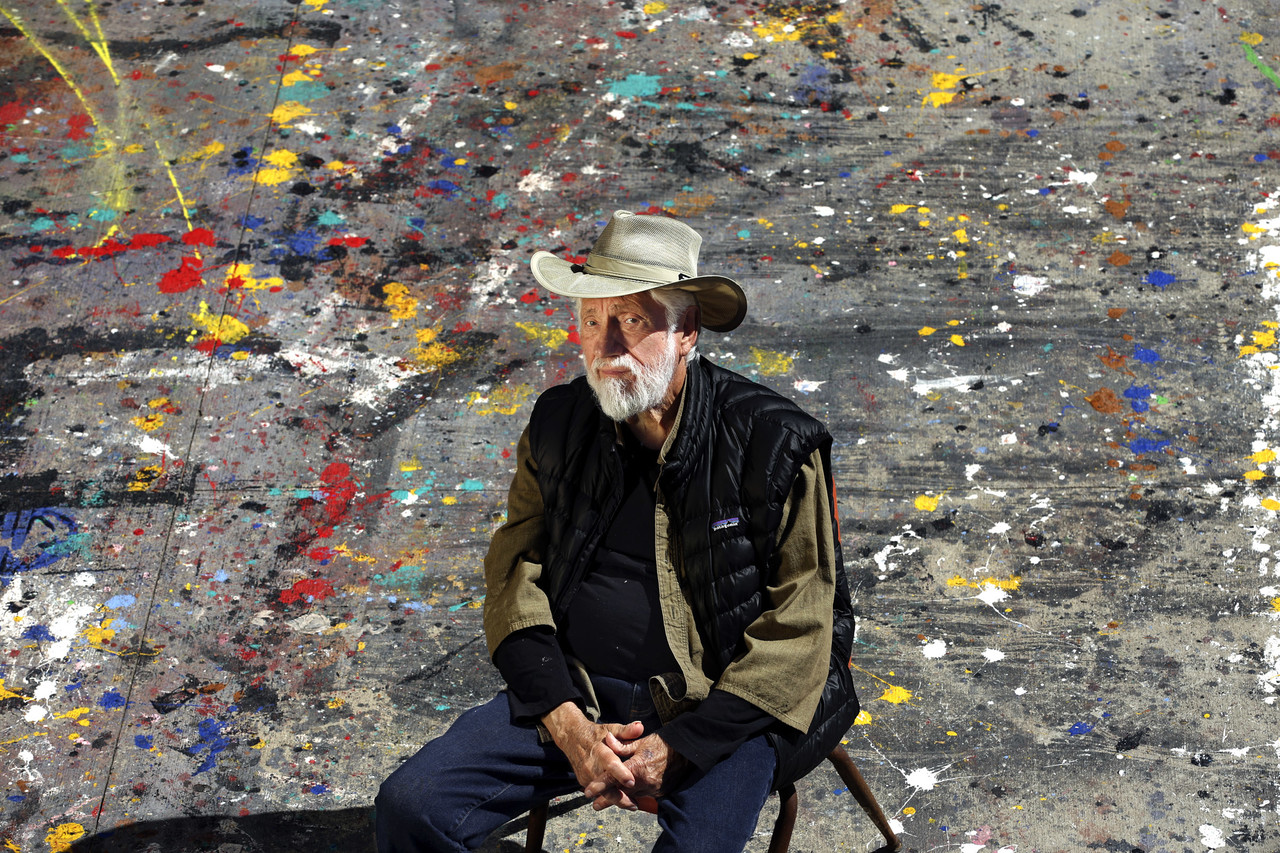
Ed Moses (1926–2018) was a pivotal figure in postwar Los Angeles art and a central presence in the generation that helped establish the city as a major center of contemporary art. Associated with the legendary Ferus Gallery and the artists who came to define the emerging Los Angeles art scene, Moses developed a practice that resisted easy categorization. Over more than six decades, he continually challenged the boundaries between abstraction, process, and material experimentation.
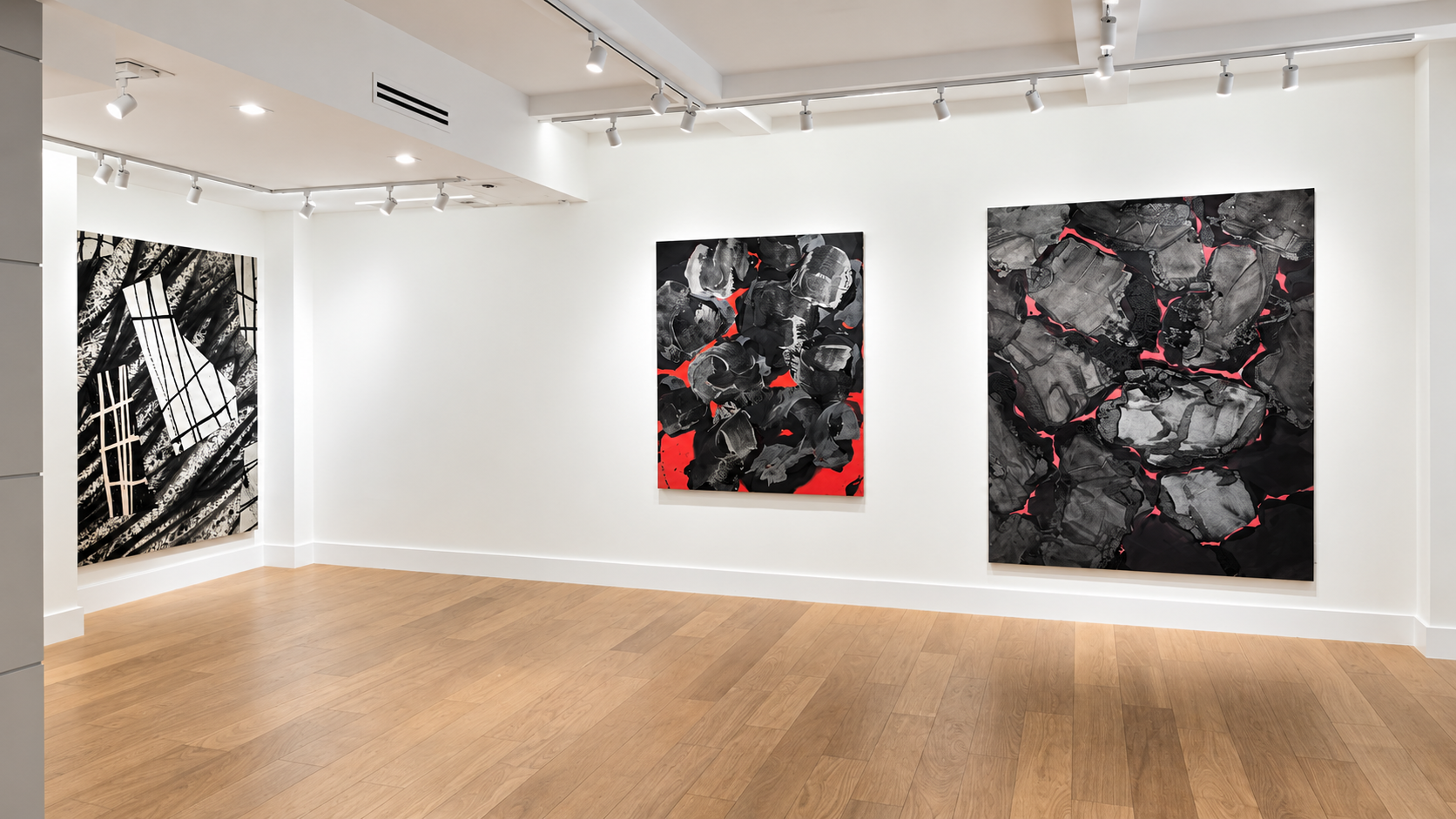
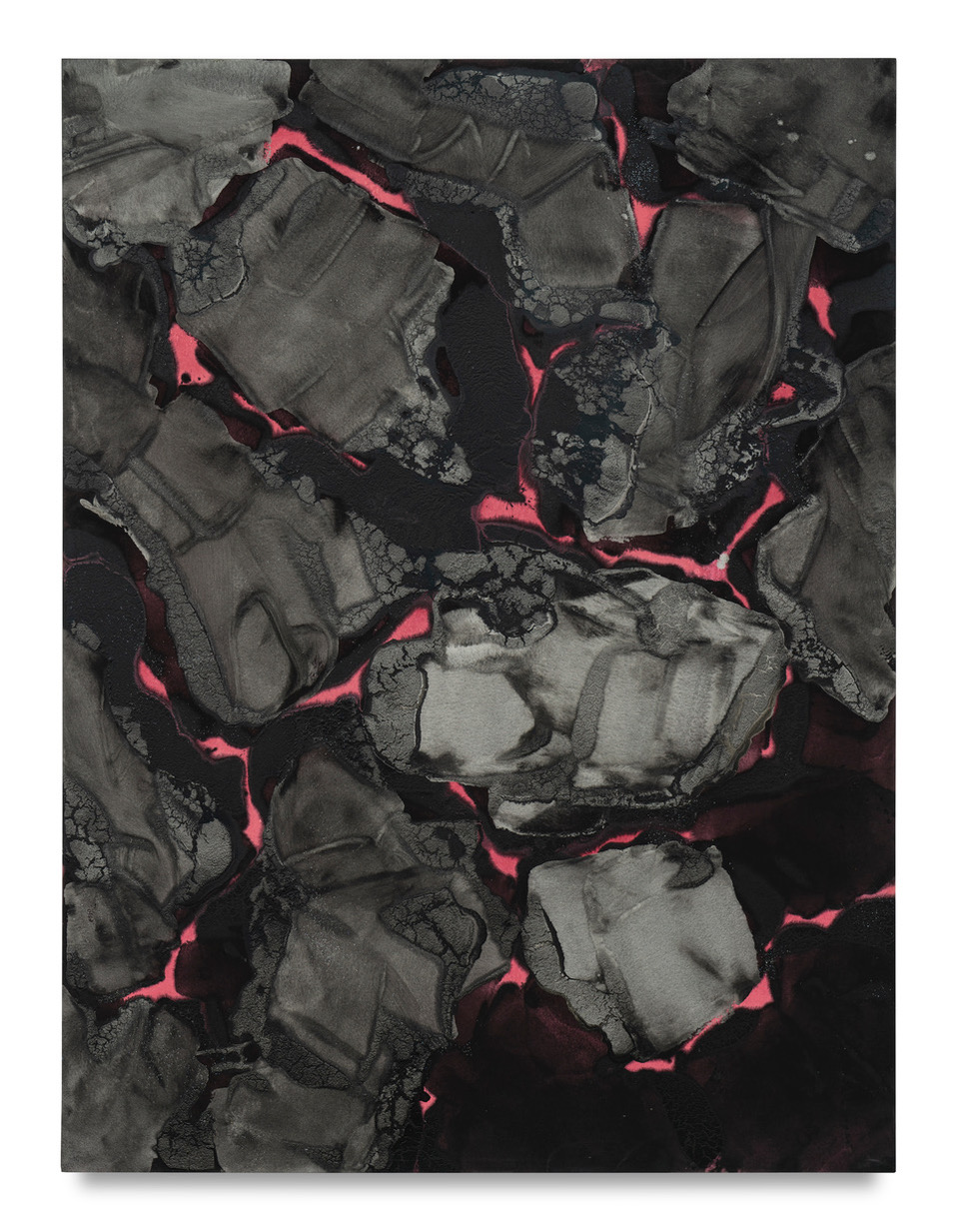
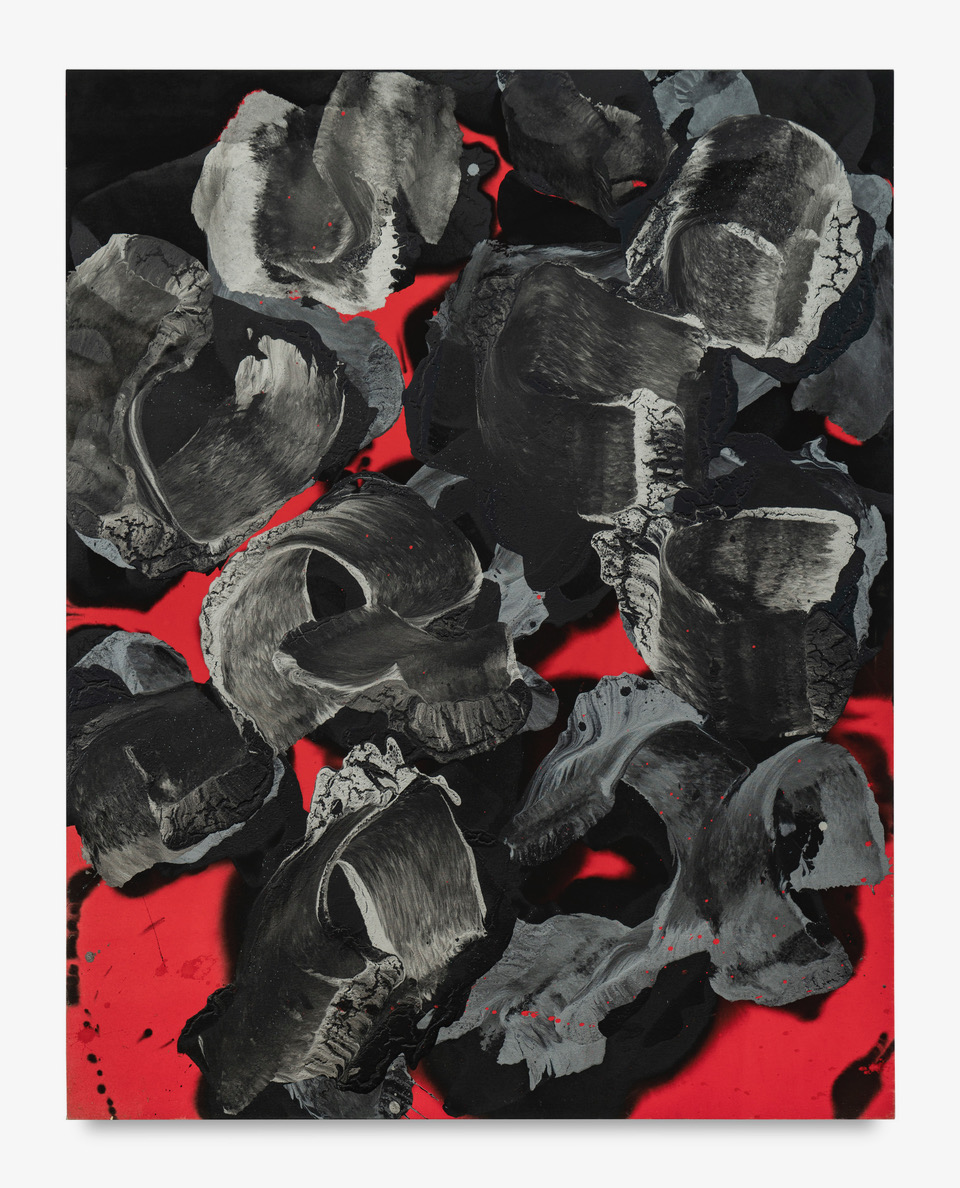
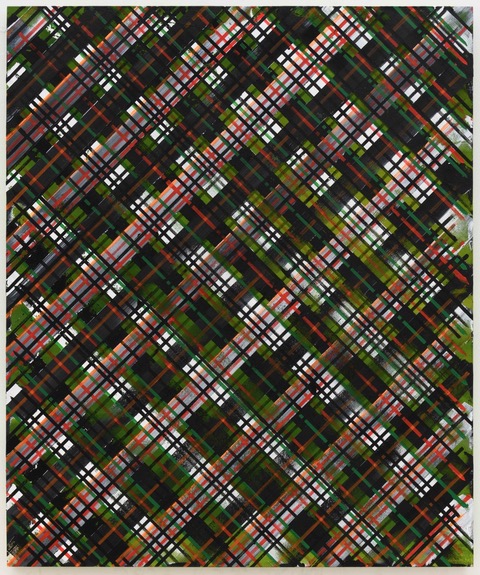
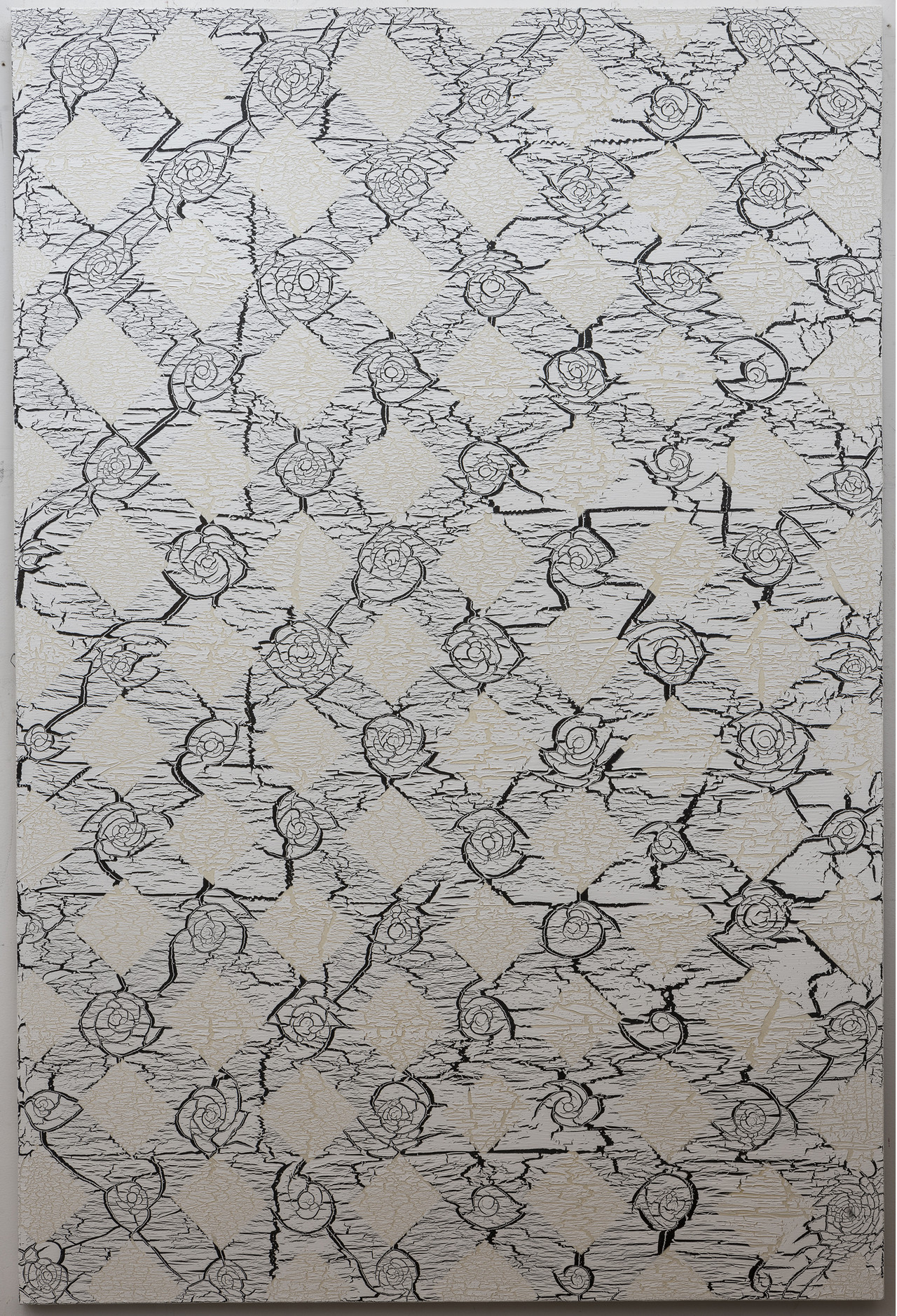
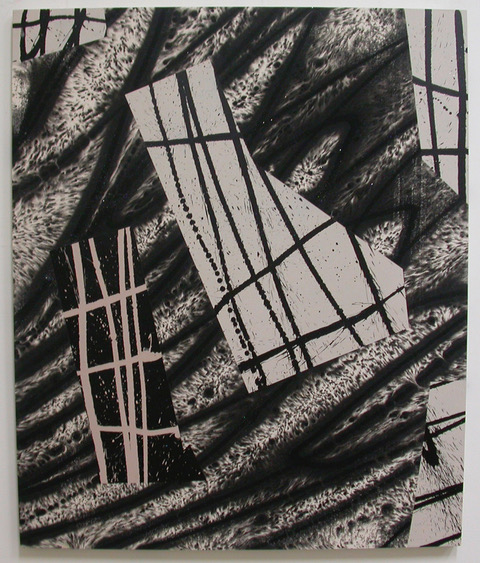
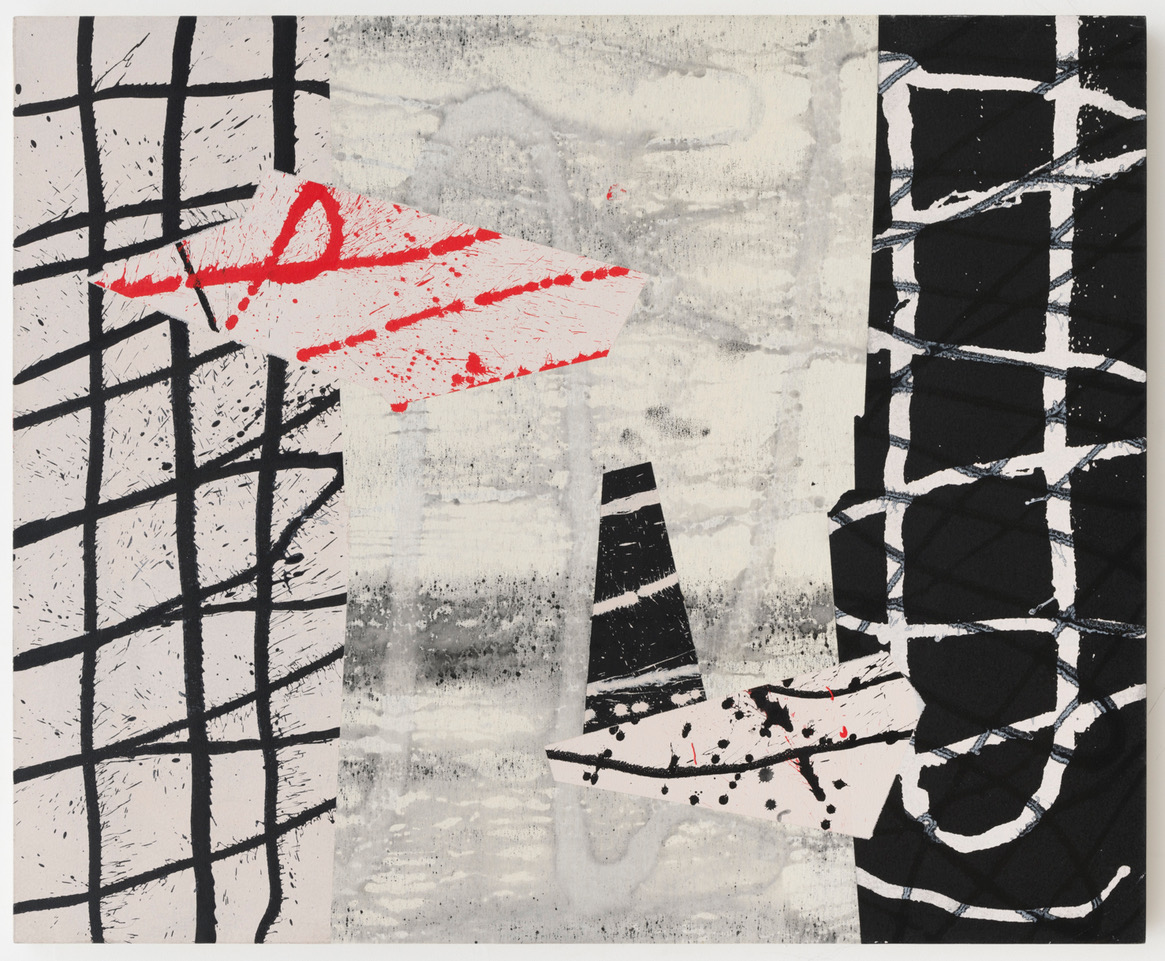
Rather than settling into a recognizable signature style, Moses treated painting as an ongoing process of discovery. He stained, scraped, masked, poured, layered, and manipulated surfaces, allowing chance and the physical behavior of materials to become active elements of the work. Grids, fractured geometries, dense fields of color, and gestural marks appear and disappear throughout his career, reflecting an artist less interested in repeating successful formulas than in continuously testing what painting could become.
Moses remains important because his work embodies one of the most enduring ideas in contemporary art: that experimentation itself can be a lifelong artistic language. His paintings connect the history of Abstract Expressionism and postwar abstraction with the process-driven approaches that followed, while retaining a raw immediacy that continues to feel remarkably contemporary. For younger generations of artists, Moses represents not simply a chapter in Los Angeles art history, but a model of artistic freedom—an artist who spent his entire career refusing to stand still.