Jun 18, 2026
Event
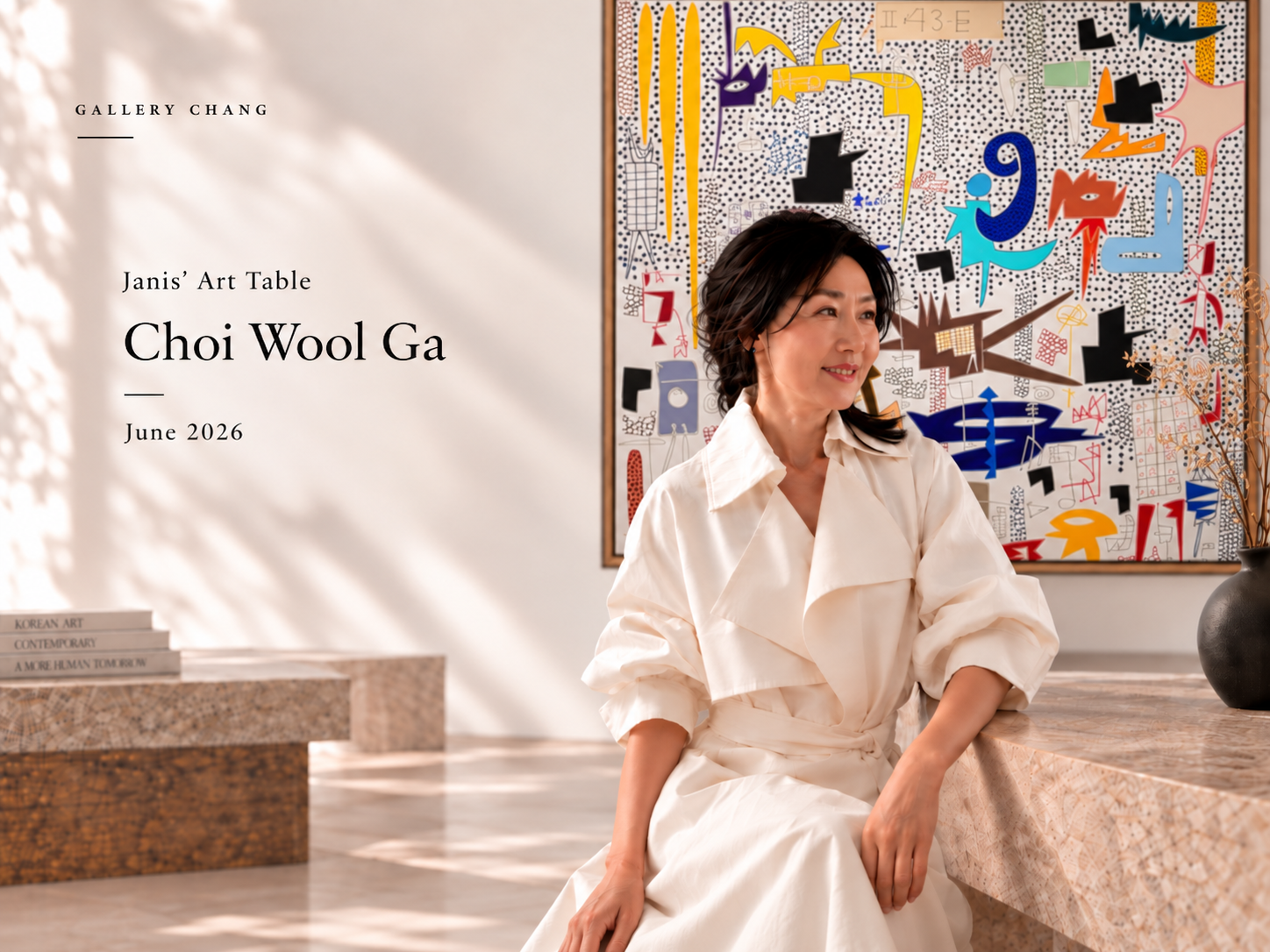
Janis’ Art Table: Choi Woolga — The First Language
What existed before language?
This session of Janis’ Art Table, moderated by Director Janis Park at Gallery Chang, Seoul, approached Choi Woolga’s work through the idea of the image as a language that predates words. From prehistoric cave paintings to the marks, figures, and symbols that recur throughout human history, the discussion explored our instinctive need to give visible form to thought, memory, fear, desire, and existence itself.
Choi’s raw lines and seemingly primitive figures do not function simply as representations. They exist somewhere between image and sign, between the recognizable and the unknown. Like the earliest marks left on cave walls, they suggest a form of communication that precedes explanation—a visual language that is felt before it is understood.
The conversation considered whether painting, at its most fundamental level, is less about depicting the world than about leaving a trace of human presence within it. In Choi’s work, the act of drawing becomes an existential gesture: a mark that declares presence, preserves memory, and connects contemporary experience to humanity’s oldest impulse to create images.
At the center of the discussion was a simple but enduring question: before we learned to speak, did we already know how to make meaning through images?

Jun 18, 2026
Event
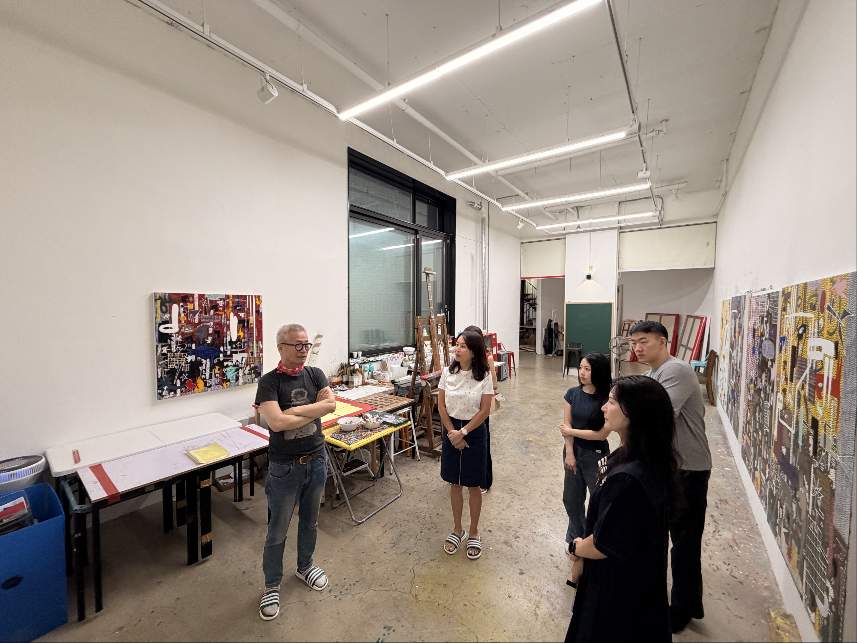
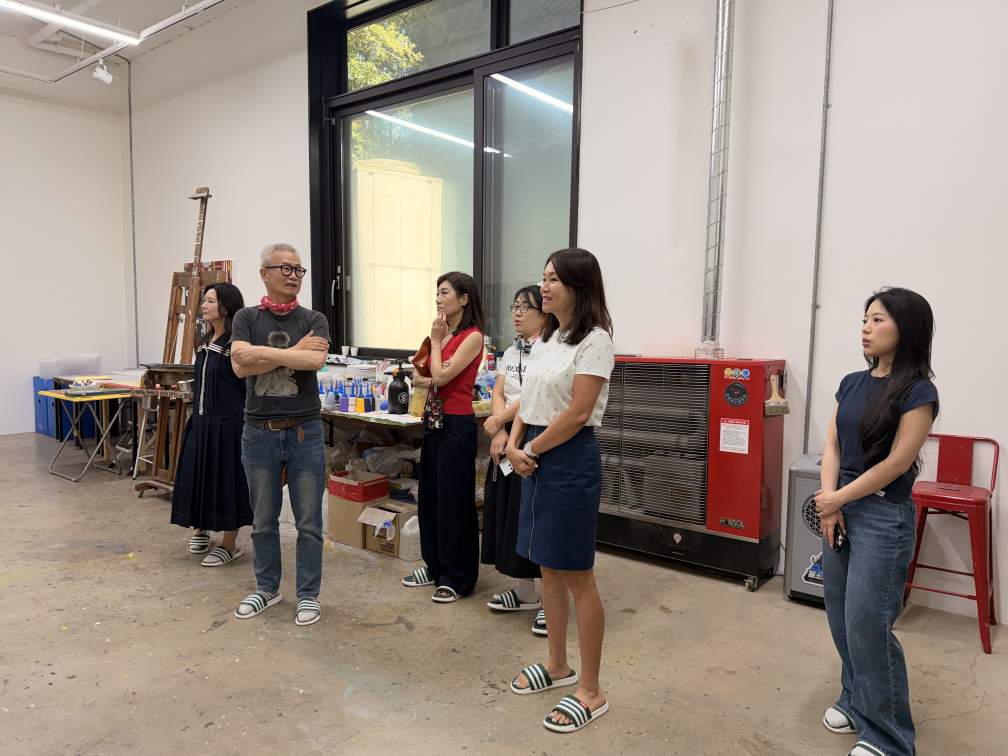
Janis’ Art Table: Choi Woolga — The First Language
What existed before language?
This session of Janis’ Art Table, moderated by Director Janis Park at Gallery Chang, Seoul, approached Choi Woolga’s work through the idea of the image as a language that predates words. From prehistoric cave paintings to the marks, figures, and symbols that recur throughout human history, the discussion explored our instinctive need to give visible form to thought, memory, fear, desire, and existence itself.
Choi’s raw lines and seemingly primitive figures do not function simply as representations. They exist somewhere between image and sign, between the recognizable and the unknown. Like the earliest marks left on cave walls, they suggest a form of communication that precedes explanation—a visual language that is felt before it is understood.
The conversation considered whether painting, at its most fundamental level, is less about depicting the world than about leaving a trace of human presence within it. In Choi’s work, the act of drawing becomes an existential gesture: a mark that declares presence, preserves memory, and connects contemporary experience to humanity’s oldest impulse to create images.
At the center of the discussion was a simple but enduring question: before we learned to speak, did we already know how to make meaning through images?