
Alison Van Pelt, Mark Acetelli
What Remains
Hanam · September 3 – November 7, 2026
What Remains
Hanam · September 3 – November 7, 2026
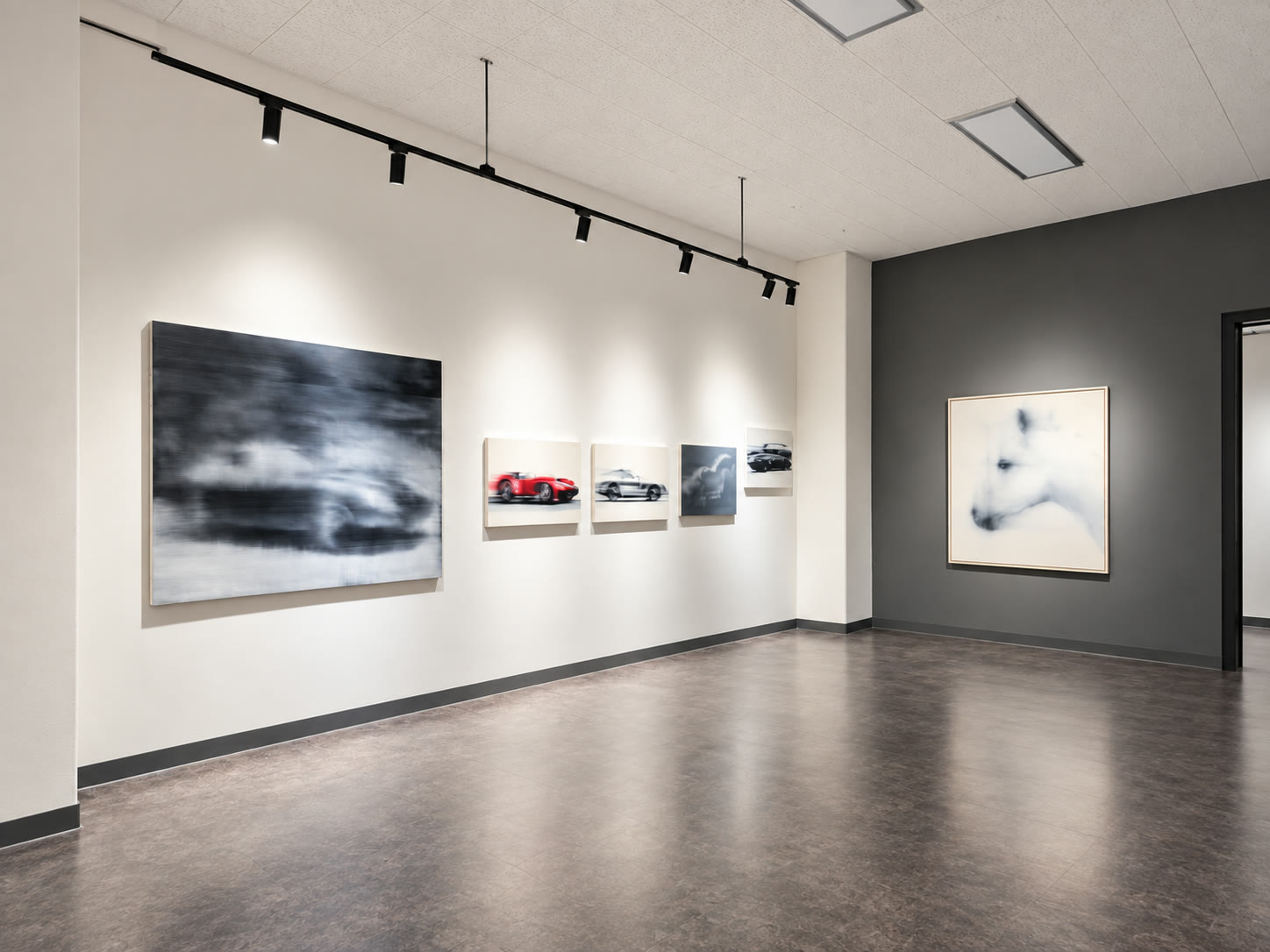
Installation view, Gallery Chang Hanam, 2026
What Remains brings together Alison Van Pelt and Mark Acetelli, two artists whose paintings explore what persists after an image, a memory, or an emotion begins to fade. Working through markedly different visual languages, both artists are drawn to states of transition—between clarity and obscurity, representation and abstraction, presence and absence.
Van Pelt transforms recognizable figures and images through repeated acts of painting, blurring, and veiling. Her subjects appear suspended within atmospheric surfaces, as if caught between memory and disappearance. Acetelli approaches painting through layered, intuitive gestures, building and removing paint until emotion becomes embedded in the surface itself. His works move between abstraction and suggestion, carrying traces of vulnerability, intimacy, and lived experience.
Seen together, their works ask a simple but enduring question: what remains when certainty falls away? A trace, a gesture, a fragment of recognition, a feeling that resists disappearance. What Remains considers painting as a space where memory and emotion are not preserved intact, but transformed—leaving behind something less literal, yet perhaps more lasting.
Installation view
Gallery Chang Hanam, 2026
Installation view
Gallery Chang Hanam, 2026
Installation view
Gallery Chang Hanam, 2026
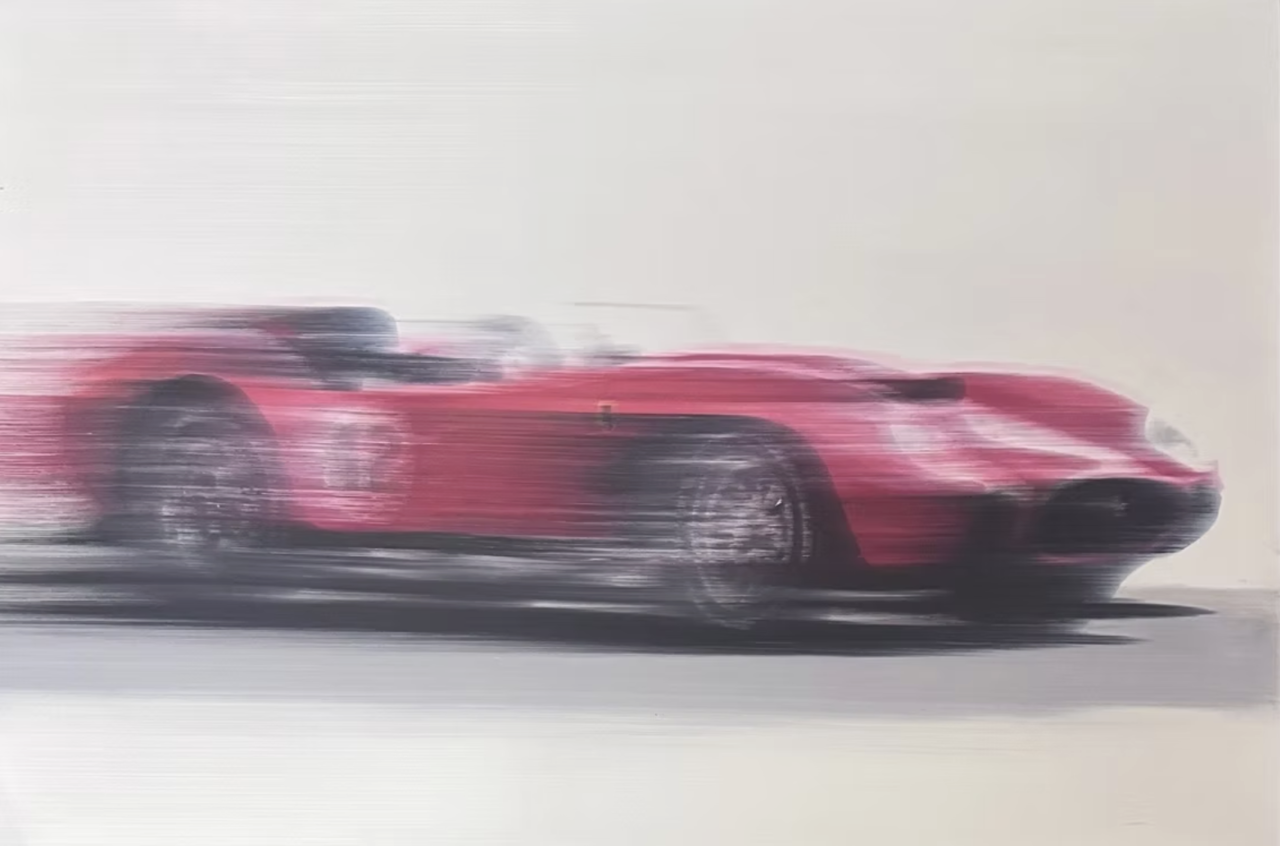
Artist Name
Title of Work, 2026
Oil on canvas
100 × 80 cm
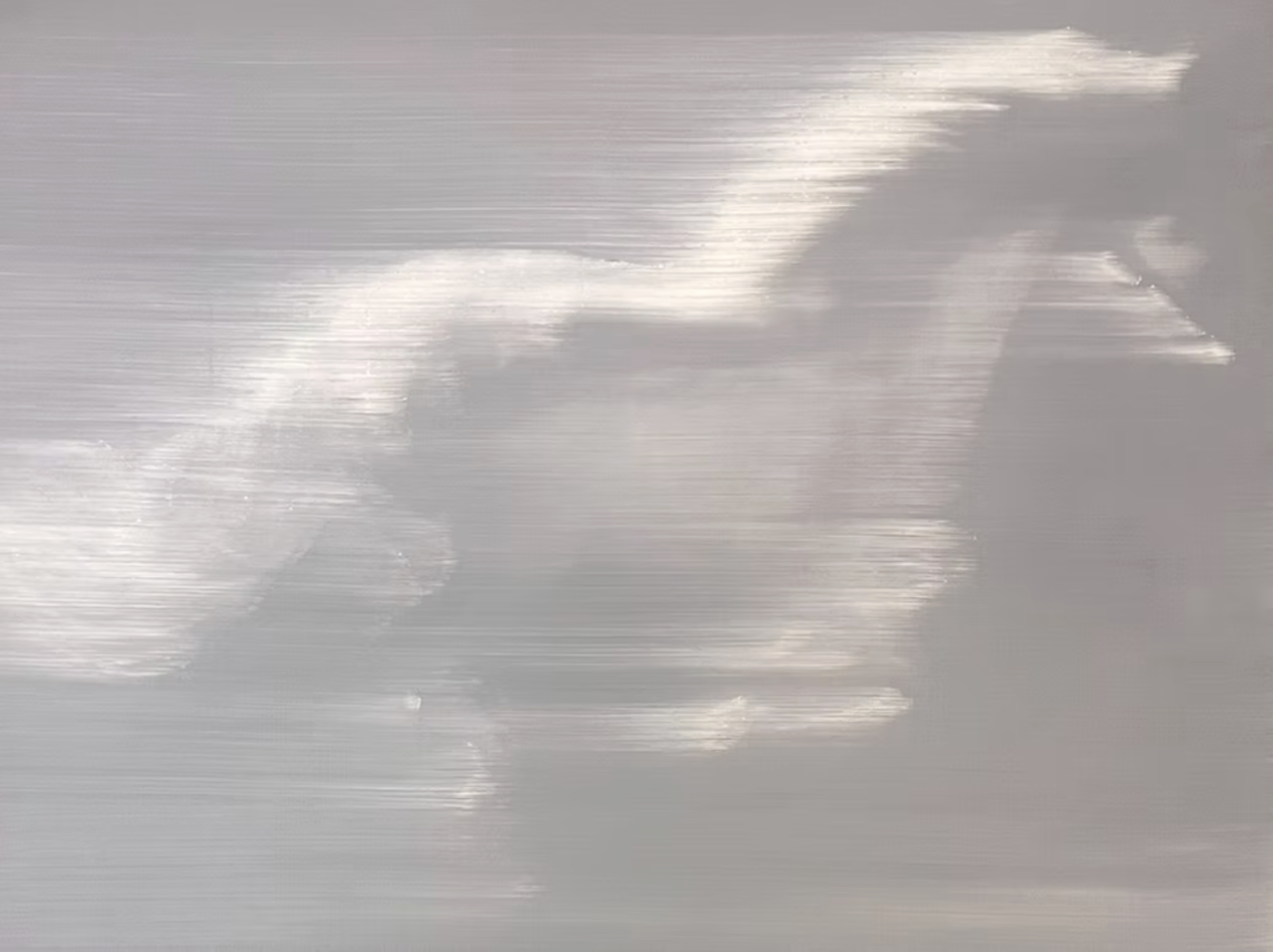
Artist Name
Title of Work, 2026
Oil on canvas
100 × 80 cm
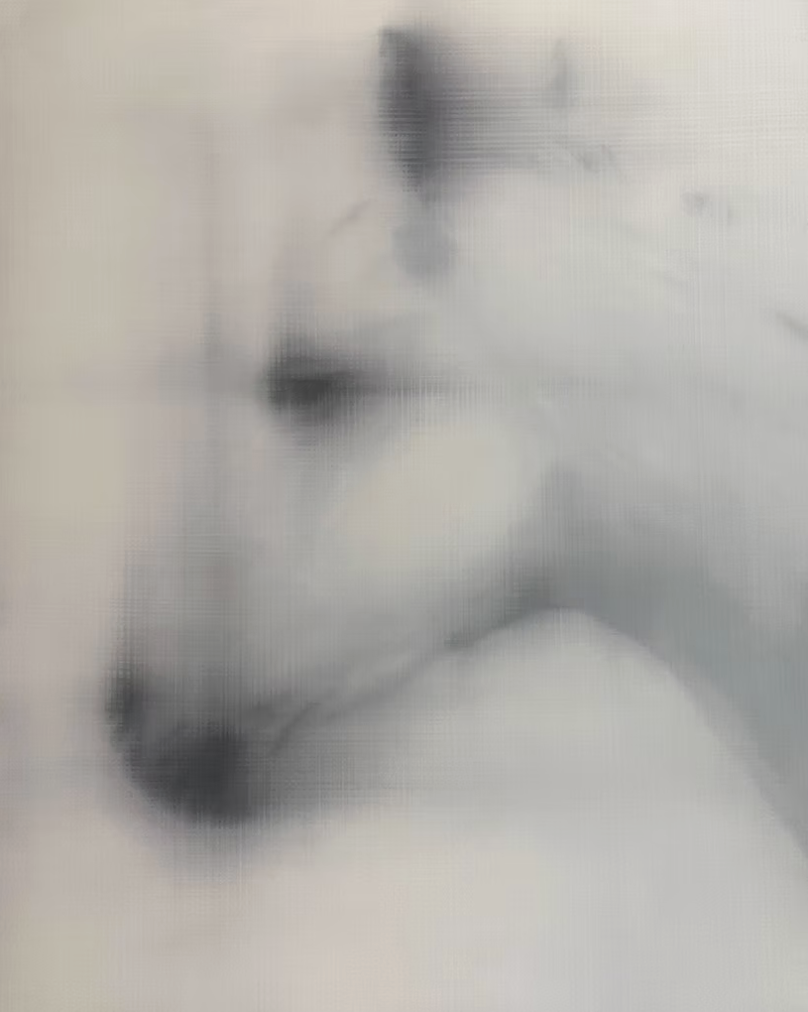
Artist Name
Title of Work, 2026
Oil on canvas
100 × 80 cm
Artist Name
Title of Work, 2026
Oil on canvas
100 × 80 cm
Artist Name
Title of Work, 2026
Oil on canvas
100 × 80 cm
Artist Name
Title of Work, 2026
Oil on canvas
100 × 80 cm
Alison Van Pelt
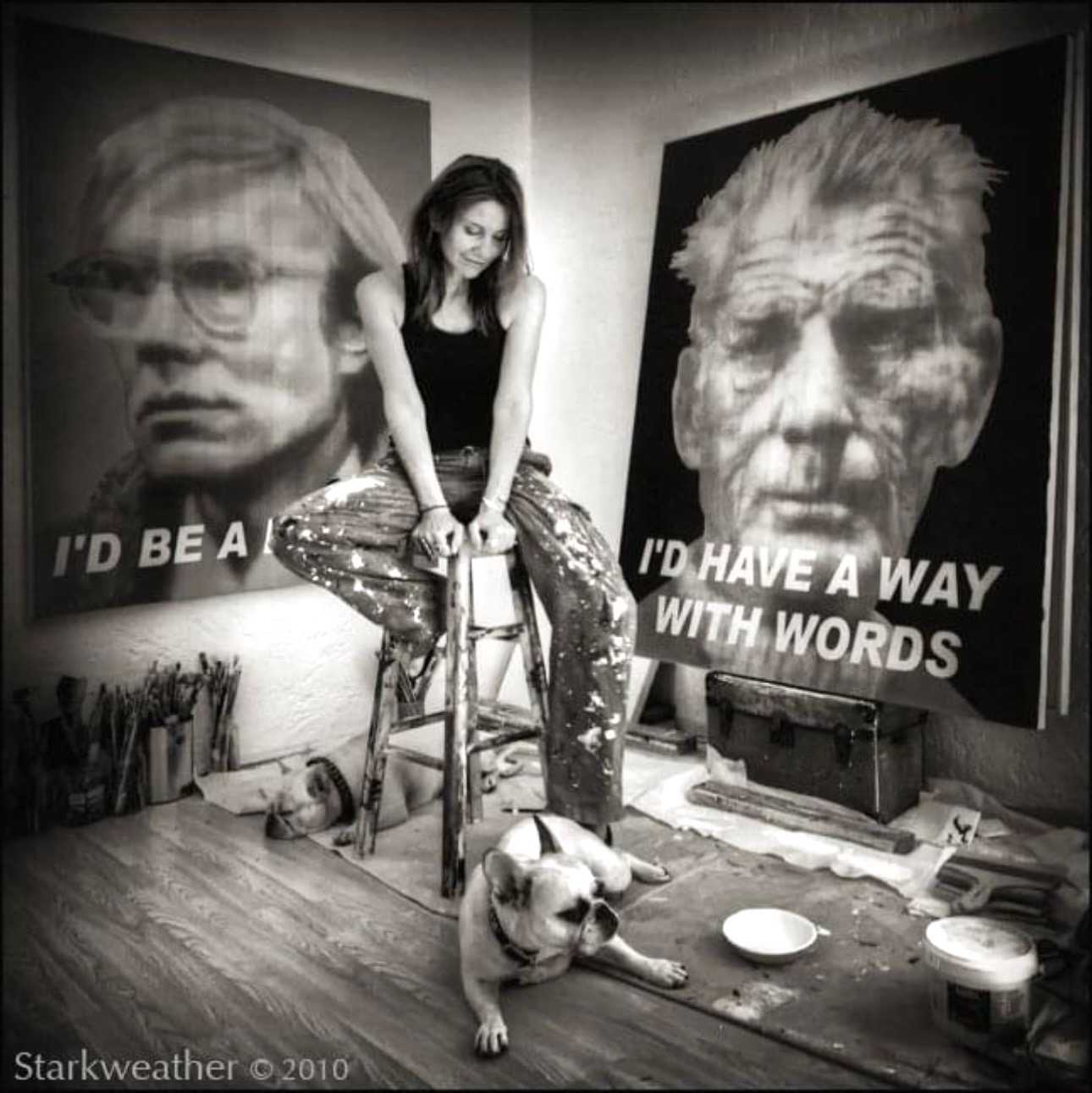
Alison Van Pelt at her LA Studio
Alison Van Pelt is an acclaimed contemporary painter known for her evocative, dreamlike portraits that blend elements of abstraction and realism. Born and raised in Los Angeles, Van Pelt studied at prestigious institutions including UCLA, Art Center College of Design, Otis College of Art and Design, and the Florence Academy of Art. Her diverse education and fascination with the human form and art history have shaped her distinctive approach to painting.
Van Pelt’s work is characterized by its ethereal quality, achieved through a meticulous process of layering paint and then blurring or obscuring the image. Faces and figures emerge and dissolve across the surface, evoking the passage of time and the ephemeral nature of memory. Her portraits, often referencing iconic figures or personal subjects, invite viewers into a meditative exploration of identity, perception, and transformation.
Drawing inspiration from a wide range of artistic traditions, including Renaissance portraiture and contemporary abstraction, Van Pelt’s paintings transcend specific styles or movements. The delicate balance of structure and ambiguity in her work creates a powerful visual and emotional impact, leaving a lasting impression on viewers.
Van Pelt has exhibited her work widely in galleries and museums, including the Santa Monica Museum of Art, the Pasadena Museum of California Art, and the Laguna Art Museum. Her paintings are part of esteemed private and public collections, earning her a reputation as a masterful artist whose work resonates deeply with audiences around the world.Living and working in Los Angeles, Van Pelt continues to explore the boundaries of portraiture, creating works that are as much about what is hidden as what is revealed.
Mark Acetelli
Mark Acetelli (b. 1969) is an American contemporary painter whose work explores memory, emotion, absence, and transformation through a highly intuitive form of lyrical abstraction. Born in Detroit and now based in Los Angeles, Acetelli grew up in an artistic environment and later developed his practice largely through self-directed experimentation. Rather than beginning with a fixed image, he allows each painting to evolve through a physical and emotional process, creating works that exist somewhere between landscape, memory, and pure abstraction.
Acetelli works primarily with oil and encaustic, using brushes, palette knives, cloth, and his hands to repeatedly build up and remove layers of paint. A single work may pass through several different states before reaching its final form, leaving traces of earlier images buried beneath the visible surface. These accumulated layers create a sense of history within the painting itself, while blurred forms, atmospheric color, and spontaneous marks suggest experiences that are remembered rather than literally depicted.
Acetelli is significant for transforming deeply personal experience into a visual language that remains open to the viewer’s own interpretation. His paintings do not attempt to illustrate a specific narrative; instead, they use material, gesture, and absence to evoke states of memory, vulnerability, loss, and renewal. By balancing expressive spontaneity with moments of quiet restraint, Acetelli creates a contemporary form of abstraction in which the physical surface of the painting becomes a record of emotional transformation.